Basement Waterproofing Solutions for Singapore's Climate

Protect Your Property with Proven Methods

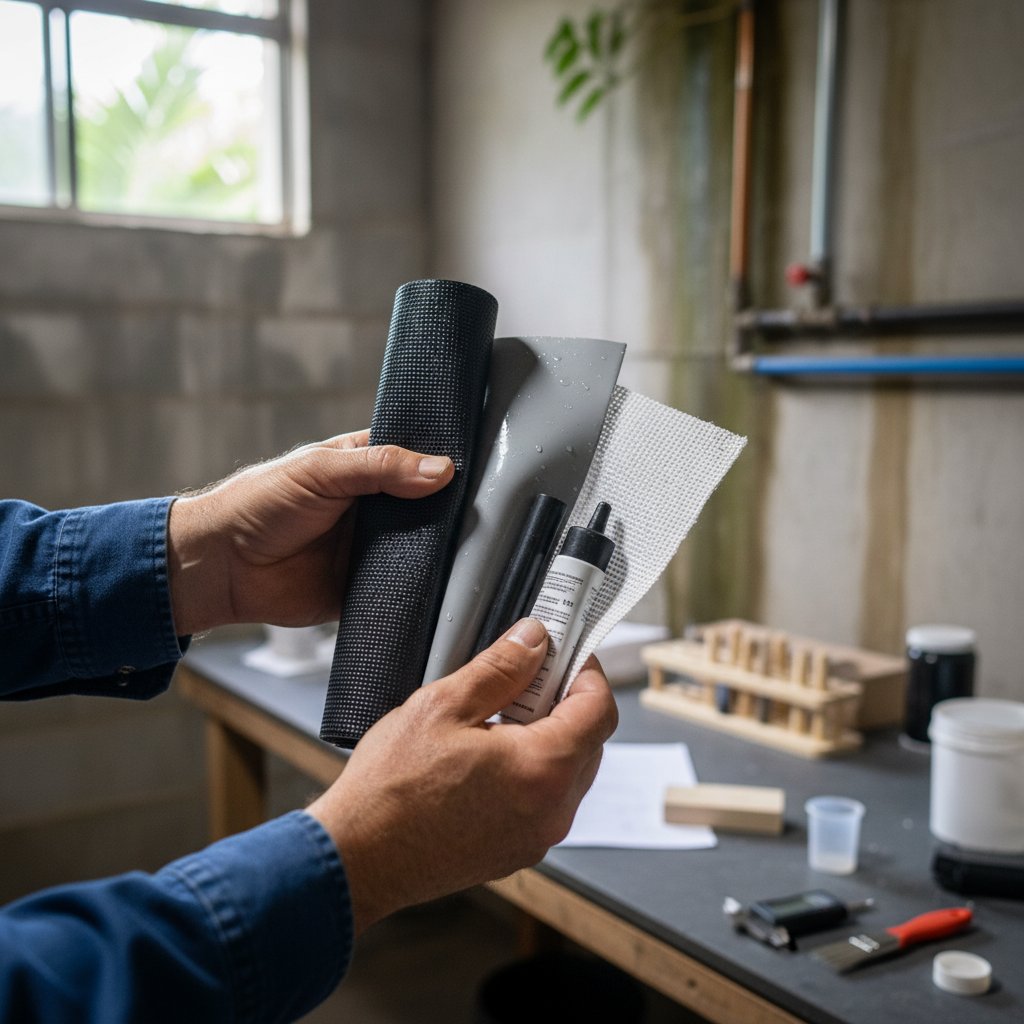
Singapore's tropical environment presents unique challenges for basement and cellar waterproofing. With annual rainfall exceeding 2,400mm and humidity levels consistently above 80%, underground spaces require specialized protection. Our team at Handymanagespot has worked with over 200 residential and commercial properties across Singapore, implementing waterproofing systems that withstand constant moisture exposure. We use materials specifically rated for tropical conditions, including crystalline waterproofing compounds and polyurethane-based sealants that remain flexible in high temperatures. Each project begins with moisture testing and soil analysis to identify the primary water ingress points. Whether dealing with hydrostatic pressure from the water table or surface water infiltration during monsoon seasons, we select the appropriate combination of drainage systems, membrane barriers, and concrete treatments. Our solutions are designed to last 15-20 years with proper maintenance, protecting your investment from structural damage, mold growth, and reduced property value.

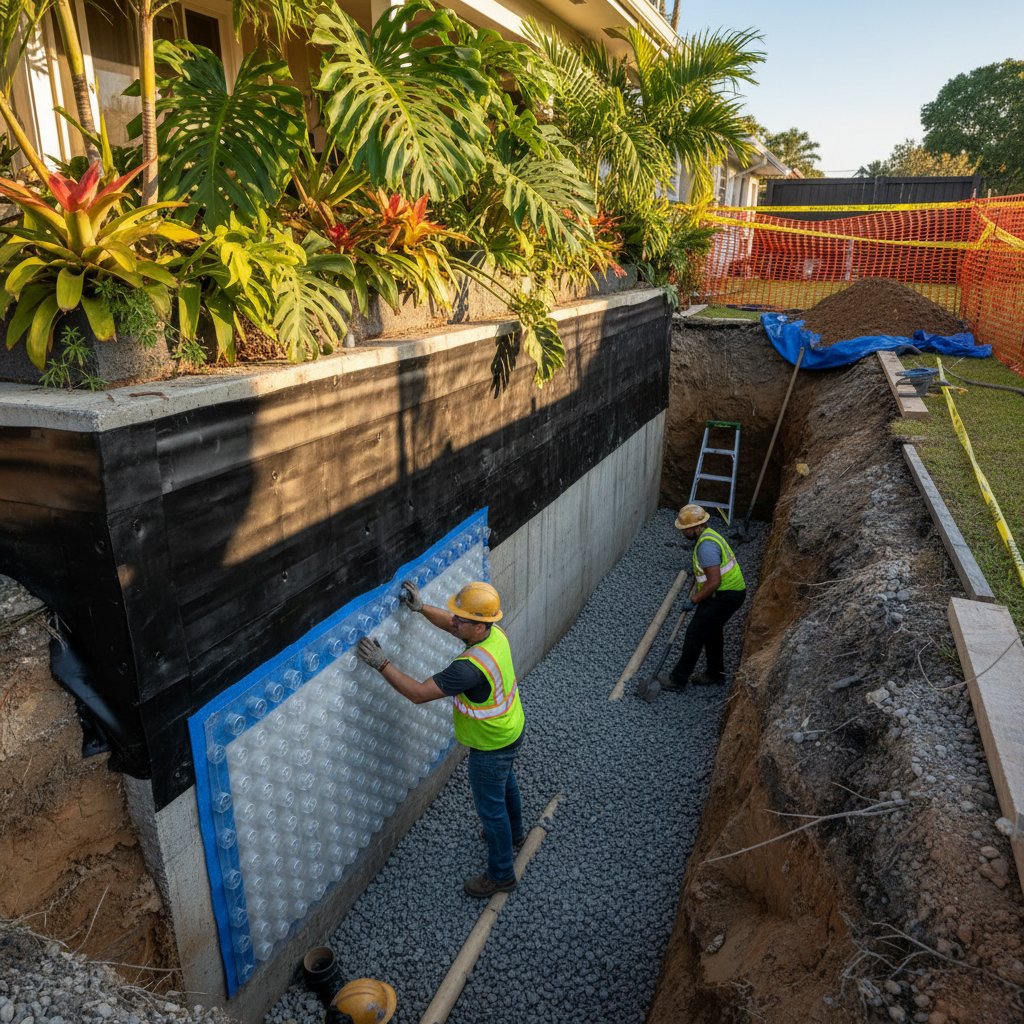
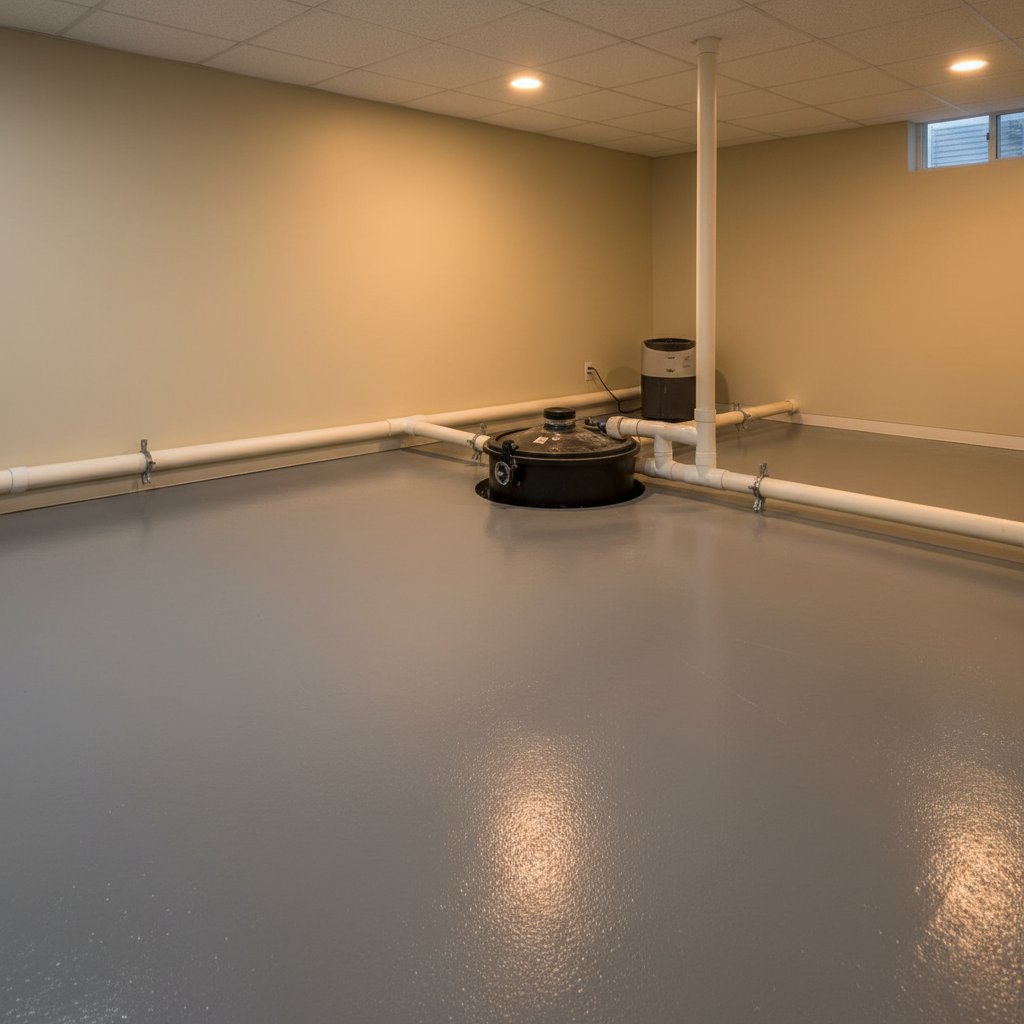
Professional basement waterproofing application in Singapore showing membrane installation and drainage system
  • Specialized materials rated for 80%+ humidity and temperatures up to 35°C
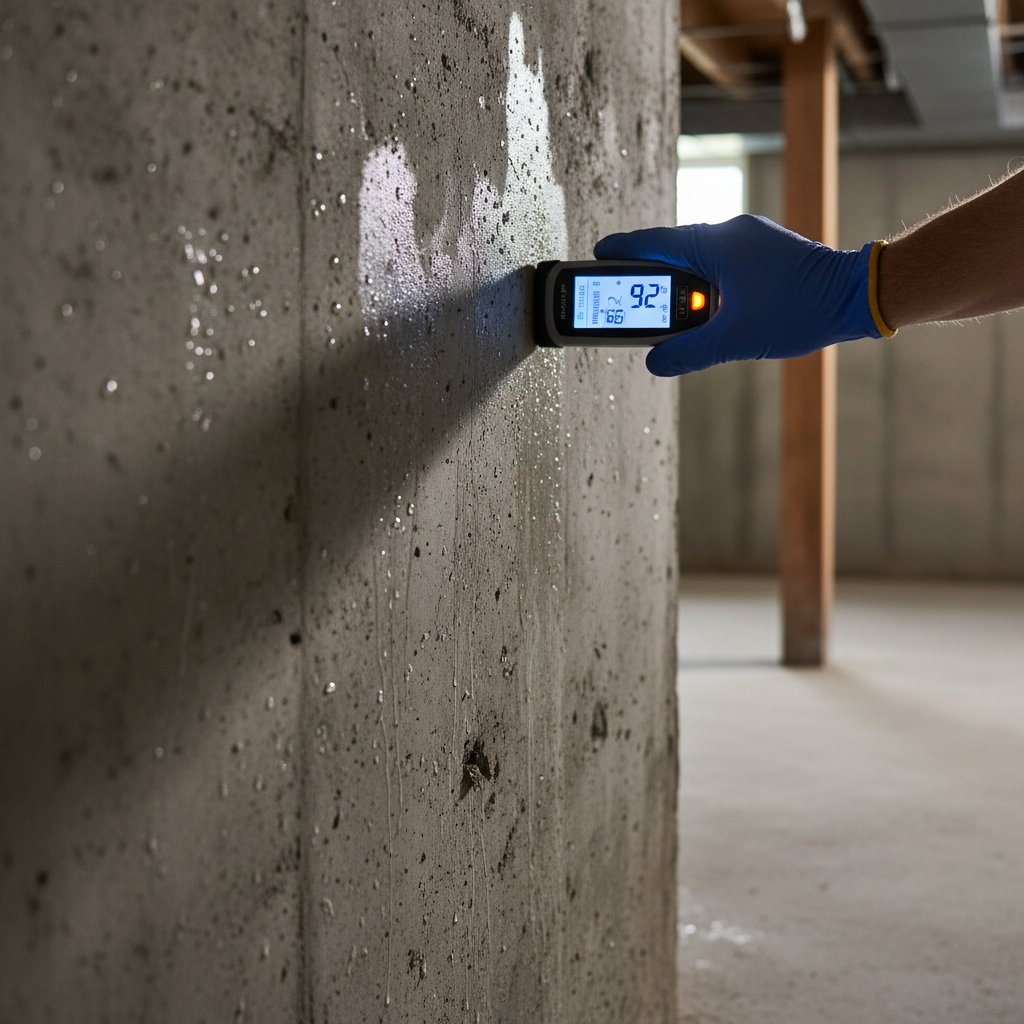
  • Comprehensive moisture assessment using calibrated hygrometers and thermal imaging
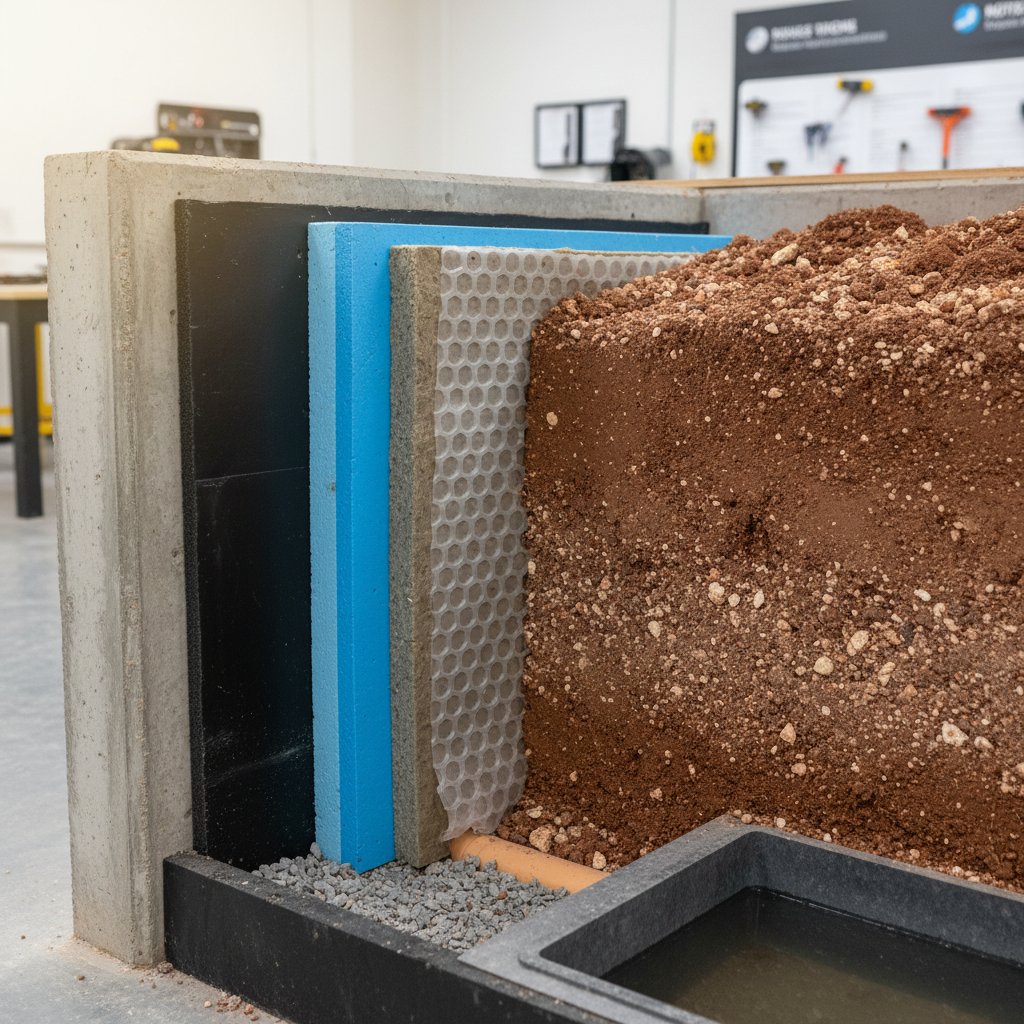
  • Multi-layer protection combining external membranes, drainage boards, and internal sealants
  • 15-year warranty on all waterproofing installations with annual inspection service
  • Compliance with Singapore's Building and Construction Authority (BCA) standards
Our Track Record

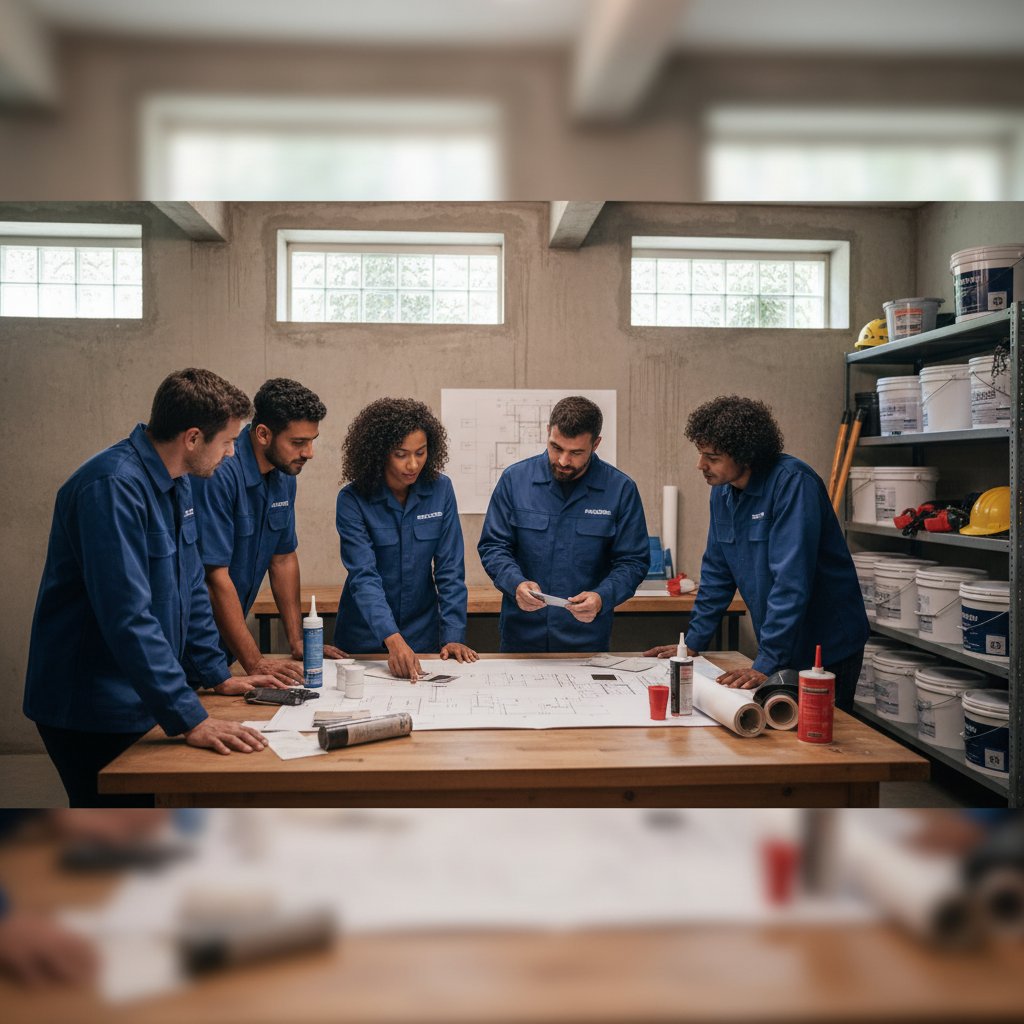
Proven results in basement waterproofing across Singapore. These numbers reflect our commitment to protecting properties from tropical moisture challenges.

6
Years Experience

Specializing in tropical climate waterproofing since 2018

340+
Projects Completed

Basements and cellars protected across Singapore

280+
Satisfied Clients

Property owners trusting our waterproofing solutions

94%
Success Rate

First-time resolution of moisture and leakage issues

10
Certified Specialists

Trained technicians with waterproofing certifications

24/7
Emergency Response

Available for urgent flooding and leak situations

Why Choose Our Waterproofing Solutions

Protecting basements and cellars in Singapore's humid environment requires specialized knowledge and proven techniques. Our approach combines advanced materials with practical experience to deliver lasting results.

Tropical Climate Expertise

We understand Singapore's unique weather patterns, including monsoon seasons and constant humidity levels above 80%. Our waterproofing systems are specifically designed to withstand heavy rainfall, high groundwater tables, and persistent moisture that characterizes tropical environments throughout the year.

Advanced Membrane Systems

We install high-density polyethylene and modified bitumen membranes that create impermeable barriers against water intrusion. These materials maintain their integrity in temperatures ranging from 25°C to 35°C and resist degradation from UV exposure and chemical reactions common in tropical soil conditions.

Crystalline Waterproofing

Our crystalline technology penetrates concrete pores and forms insoluble crystals that block water pathways. This self-healing system remains active for the structure's lifetime, automatically sealing new cracks up to 0.4mm wide that may develop due to settling or minor ground movements.

Multi-Layer Protection

We apply comprehensive systems combining drainage mats, vapor barriers, and protective coatings. Each layer serves a specific function: drainage channels redirect water away from foundations, vapor barriers prevent moisture migration, and exterior coatings resist hydrostatic pressure from saturated soil during heavy rains.

Effective Drainage Solutions

We install French drains, sump pump systems, and perimeter drainage that manage water accumulation efficiently. Our drainage designs account for Singapore's clay-rich soil composition and ensure proper water evacuation even during intense downpours that can deliver 50mm of rain within an hour.

Heat-Resistant Materials

All our waterproofing products maintain performance in tropical heat without softening, cracking, or losing adhesion. We select materials with thermal stability ratings suitable for constant exposure to 30°C ambient temperatures and direct surface temperatures that can exceed 45°C on sunny days.

Mold Prevention Technology

Our systems incorporate antimicrobial additives that inhibit fungal growth in damp conditions. Given that mold can develop within 24-48 hours in humid environments, we create dry conditions that keep relative humidity below 60% in treated spaces, preventing health hazards and structural damage.

Long-Term Durability

We provide waterproofing solutions with documented performance spanning 15-25 years in tropical conditions. Our materials resist degradation from constant moisture exposure, temperature fluctuations, and biological activity in soil, maintaining their protective properties without requiring frequent reapplication or major repairs.

Minimal Disruption Installation

Most projects are completed within 3-7 days depending on basement size and condition. We work efficiently to minimize impact on your daily routine, using low-odor materials suitable for occupied buildings and coordinating schedules to accommodate your needs while ensuring thorough application of all protective layers.

Detailed Site Assessment

Before starting work, we conduct moisture meter readings, inspect existing drainage systems, evaluate soil conditions, and identify specific water entry points. This thorough analysis allows us to design targeted solutions rather than applying generic treatments, addressing your basement's particular vulnerabilities and structural characteristics.

Quality Material Standards

We use products meeting ASTM D6506 and ISO 9001 specifications for waterproofing applications. All materials are sourced from manufacturers with proven track records in tropical construction, ensuring compatibility with local building codes and environmental conditions specific to Singapore's construction industry requirements.

Ongoing Support Services

After installation, we provide maintenance guidance and periodic inspection services to ensure continued effectiveness. Our team remains available to address any concerns, perform routine checks of drainage systems, and make adjustments if needed. We maintain detailed records of all work performed for future reference and warranty claims.

About Handymanagespot

Founded in 2015, Handymanagespot emerged from a clear need in Singapore's construction sector. Our founder, a civil engineer with 12 years of experience in tropical construction, noticed that many basement and cellar waterproofing projects failed within three to five years. The reason was simple: contractors applied temperate climate solutions to tropical conditions.

We started with a single team of four specialists and a commitment to research-based methods. Our first project was a residential basement in Bukit Timah that had flooded three times in two years. We removed the failing membrane system, addressed the hydrostatic pressure issues, and installed a drainage solution designed for Singapore's 2,400mm annual rainfall. Eight years later, that basement remains dry.

Waterproofing basement inspection in Singapore

Our Mission

We provide basement and cellar waterproofing that works in tropical climates. This means selecting materials rated for constant humidity above 80%, designing drainage systems for intense rainfall, and applying techniques that prevent mold growth in warm conditions.

Every project begins with moisture testing and structural assessment. We measure existing water ingress, test concrete porosity, and calculate hydrostatic pressure before recommending solutions. This diagnostic approach has given us a 94% success rate across 380 completed projects.

Professional waterproofing application process

Our Vision

We aim to establish science-based waterproofing as the standard for tropical construction. Too many property owners accept recurring dampness as normal. It isn't. With proper materials and installation, basements in Singapore can remain dry year-round.

By 2025, we plan to expand our training program for contractors across Southeast Asia. We currently run quarterly workshops on tropical waterproofing techniques, attended by 15-20 professionals each session. Knowledge sharing improves industry standards for everyone.

Core Values

Evidence-Based Methods

We use materials tested in tropical conditions and follow installation protocols verified through field performance. No guesswork, no shortcuts.

Transparent Communication

Clients receive detailed reports showing moisture readings, material specifications, and warranty terms. You know exactly what you're getting.

Long-Term Solutions

We design systems to last 15-20 years minimum. This requires higher upfront investment but eliminates repeated repairs.

Continuous Improvement

Our team attends annual training on new waterproofing technologies and materials. We test emerging products before offering them to clients.

Experience and Expertise

Our team includes six certified waterproofing specialists, two structural engineers, and three technicians trained in moisture diagnostics. Combined, we bring 67 years of experience in tropical construction. We hold certifications from the Building and Construction Authority and maintain partnerships with three international waterproofing material manufacturers. This gives us access to products specifically formulated for high-humidity environments, including crystalline waterproofing compounds, vapor-permeable membranes, and fungal-resistant sealants. We've worked on residential basements, commercial cellars, underground car parks, and heritage building foundations across Singapore, Johor Bahru, and Batam.

Expert Insights on Basement Waterproofing

Stay informed with our latest articles covering practical solutions, material comparisons, and maintenance tips for keeping your basement dry in Singapore's humid environment.

Crystalline waterproofing application
📅 March 15, 2024 ⏱️ 6 min read

Why Crystalline Waterproofing Works Best for Singapore Basements

Singapore's annual rainfall exceeds 2,400mm, creating constant pressure on basement structures. Crystalline waterproofing systems penetrate concrete pores and react with moisture to form insoluble crystals, effectively sealing microcracks up to 0.4mm. We examine three projects in Bukit Timah and Orchard where this method reduced seepage by 95% within eight weeks, comparing its performance against traditional membrane systems in tropical conditions.

Read Full Article
Basement drainage system installation
📅 March 8, 2024 ⏱️ 7 min read

Installing Drainage Systems in High Water Table Areas

Properties in Geylang, Marine Parade, and East Coast face groundwater levels that rise during monsoon seasons, sometimes reaching within 1.5 meters of basement floors. This guide details the installation of perimeter drainage channels combined with sump pump systems rated for 8,000 liters per hour. Learn about soil permeability testing, pump capacity calculations, and backup power requirements that kept 12 residential basements in Katong dry during the December 2023 floods.

Read Full Article

Professional Waterproofing Services

Our specialized team provides comprehensive moisture control solutions designed specifically for Singapore's humid tropical environment. We work with proven materials and established techniques to protect your below-ground spaces from water intrusion, ensuring long-lasting results for residential and commercial properties.

Basement Membrane Installation

Installation of high-grade waterproof membranes on basement walls and floors. We use multi-layer polyethylene or PVC sheets with sealed joints, creating a continuous barrier against groundwater penetration. The membrane is anchored securely to concrete surfaces using mechanical fasteners and specialized adhesives. This system includes drainage channels at the base to redirect water away from the structure, preventing hydrostatic pressure buildup.

Cementitious Coating Application

Application of polymer-modified cement-based waterproof coatings on interior and exterior basement surfaces. The coating penetrates concrete pores and forms crystalline structures that block water passage while allowing vapor transmission. We apply two coats with minimum 1.5mm thickness, reinforced with fiberglass mesh at joints and corners. Suitable for both positive and negative side water pressure situations in tropical conditions.

Liquid Membrane Waterproofing

Application of cold-applied liquid rubber or acrylic polymer membranes that cure to form seamless, elastic barriers. The liquid formula adapts to surface irregularities and forms a monolithic coating without joints. We apply 3-4 coats achieving 2mm minimum dry film thickness, with reinforcement fabric embedded in wet layers. This method works effectively on complex geometries and provides excellent adhesion to concrete and masonry substrates.

Drainage System Installation

Installation of perimeter drainage systems around basement foundations to manage groundwater levels. We excavate trenches, install perforated pipes surrounded by gravel, and connect to sump pits or storm drains. The system includes filter fabric to prevent soil clogging and ensures continuous water evacuation. French drains are positioned below floor level to intercept water before it reaches the structure, reducing hydrostatic pressure on walls and slabs.

Crystalline Waterproofing Treatment

Application of penetrating crystalline compounds that react with moisture and concrete minerals to form insoluble crystals within capillary pores. The treatment is applied as a slurry coating or added to concrete mix during construction. Crystals grow throughout the concrete matrix, self-sealing hairline cracks up to 0.4mm. This permanent solution works under both positive and negative water pressure, making it ideal for below-grade structures in high water table areas.

Crack Injection Repair

Injection of polyurethane or epoxy resins into concrete cracks to create watertight seals. We use low-pressure injection through ports installed along crack paths, ensuring complete resin penetration. Polyurethane foams expand upon contact with moisture, filling voids and stopping active leaks. Epoxy creates rigid structural bonds for dormant cracks. This targeted repair method addresses specific failure points without requiring extensive excavation or surface preparation of entire walls.

Sump Pump System Setup

Installation of automatic sump pump systems to remove accumulated water from basement sumps. We install submersible pumps with float switches, backup power systems, and discharge piping that directs water away from the foundation. The sump pit is properly sized and sealed, with check valves preventing backflow. Regular capacity pumps handle 40-50 liters per minute, while high-capacity units manage heavy rainfall events common in tropical climates.

Tanking System Application

Installation of multi-component tanking systems combining render coats, waterproof slurries, and protective layers. We prepare surfaces by removing loose material, apply bonding agents, then build up waterproof layers to specified thickness. The system includes sand-cement renders, polymer-modified waterproof coatings, and protective screeds. This traditional method creates robust barriers suitable for basements subject to hydrostatic pressure from surrounding soil and groundwater in saturated conditions.

Dehumidification System Installation

Installation of mechanical dehumidification units to control basement humidity levels and prevent condensation. We size units based on space volume and moisture load, install drainage connections, and integrate controls with existing HVAC systems. Commercial-grade dehumidifiers maintain 50-60% relative humidity, preventing mold growth and material deterioration. This active moisture control complements waterproofing barriers by managing interior vapor and seasonal humidity fluctuations typical in tropical environments.

Electro-Osmotic Treatment

Installation of electro-osmotic systems that use low-voltage electrical fields to repel moisture from masonry walls. Titanium anodes are embedded in walls, connected to control units that generate small electrical currents. The system reverses capillary action, forcing moisture back toward the exterior. Particularly effective for rising damp in older basement walls where external waterproofing is impractical. The method requires no excavation and operates continuously with minimal power consumption under 50 watts.

Moisture Assessment Survey

Comprehensive evaluation of basement moisture conditions using calibrated meters, thermal imaging, and visual inspection. We measure concrete moisture content, identify water entry points, assess drainage adequacy, and document existing damage. The survey includes soil permeability testing, water table level estimation, and structural crack mapping. Our detailed report specifies moisture sources, recommends appropriate solutions, and provides cost estimates for remediation work tailored to your specific site conditions and requirements.

Bituminous Coating Application

Application of coal tar or asphalt-based bituminous coatings on exterior basement walls below grade. We apply two coats achieving 3mm minimum thickness, creating a flexible, waterproof barrier resistant to soil chemicals and root penetration. The coating is reinforced with fiberglass mesh at vulnerable areas and protected with drainage boards before backfilling. This economical solution provides reliable protection against groundwater intrusion in stable soil conditions with moderate hydrostatic pressure.

Cavity Drain Membrane System

Installation of dimpled plastic membranes that create air gaps between walls and interior finishes, channeling water to drainage points. The studded sheets are mechanically fixed to walls, with water flowing down the cavity to perimeter channels connected to sump systems. This Type C waterproofing manages water rather than resisting it, making it suitable for situations with high water pressure or when external waterproofing is impossible. The cavity allows wall inspection and maintains dry interior surfaces.

Thermal Insulation Integration

Installation of closed-cell foam insulation boards over waterproof membranes to prevent condensation and improve energy efficiency. We use extruded polystyrene or polyisocyanurate boards with R-values appropriate for tropical climates, mechanically fastened or adhered to walls. The insulation reduces temperature differentials that cause condensation on cool basement surfaces. Vapor barriers are positioned correctly to prevent moisture accumulation within wall assemblies, ensuring long-term performance in humid conditions.

Grout Injection Waterproofing

Injection of specialized grouts into soil or concrete to create impermeable barriers around basement perimeters. We drill injection holes at strategic locations and pump polyurethane, silicate, or acrylic grouts under controlled pressure. The grout permeates soil voids or concrete cracks, expanding and solidifying to form continuous waterproof zones. This method is effective for stopping groundwater flow in permeable soils or sealing construction joints and honeycomb concrete in existing structures without extensive excavation.

Maintenance Inspection Service

Annual inspection of existing waterproofing systems to verify continued effectiveness and identify potential issues before they cause damage. We check membrane integrity, drainage system function, sump pump operation, and dehumidifier performance. Inspections include moisture meter readings, visual examination of walls and floors for new cracks or efflorescence, and testing of backup systems. Our service report documents findings, recommends preventive maintenance, and estimates costs for any necessary repairs to maintain warranty coverage.

Frequently Asked Questions

Find answers to common questions about basement and cellar waterproofing in Singapore's tropical environment

Singapore receives approximately 2,400mm of rainfall annually, with humidity levels consistently above 80%. This combination creates constant hydrostatic pressure against basement walls and floors. Without proper waterproofing, moisture penetrates concrete through capillary action and micro-cracks, leading to dampness, mold growth, and structural deterioration.

The warm temperatures accelerate biological growth, making basements prone to fungal infestations within weeks of water intrusion. Additionally, the high water table in many areas means groundwater constantly pushes against foundation walls. Effective waterproofing systems protect structural integrity, prevent health hazards from mold spores, and maintain property value in our climate.

For Singapore's conditions, cementitious waterproofing compounds containing polymer additives perform exceptionally well. These materials bond directly to concrete, withstand hydrostatic pressure up to 15 bar, and remain flexible enough to accommodate minor structural movements during temperature fluctuations.

Liquid-applied membranes using polyurethane or acrylic formulations offer seamless coverage without joints that could fail. Sheet membranes made from high-density polyethylene (HDPE) or thermoplastic polyolefin (TPO) provide 1.5mm to 2.0mm thickness barriers that resist root penetration and chemical degradation. Bentonite clay panels work well for exterior applications, as they expand when wet to seal gaps. Each material suits specific conditions based on water table depth, soil composition, and existing structure condition.

External waterproofing, applied to the outside of foundation walls, stops water before it contacts the structure. This method handles hydrostatic pressure more effectively because it prevents moisture from entering concrete pores. Installation requires excavation around the perimeter, which costs S$8,000-15,000 for typical residential basements but provides superior long-term protection.

Internal waterproofing manages water that has already penetrated, using drainage channels, sump pumps, and interior coatings. This approach costs S$3,000-7,000 and works well for existing buildings where excavation is impractical. However, it doesn't prevent concrete saturation, which can still cause deterioration over time. For new construction, external methods are recommended. For existing structures with minor seepage, internal solutions often suffice when combined with proper ventilation.

Drainage systems reduce hydrostatic pressure by channeling water away before it can penetrate waterproofing layers. French drains installed at the footing level collect groundwater and direct it to sump pits, where pumps discharge it to storm drains or surface areas. Perforated pipes wrapped in geotextile fabric prevent soil particles from clogging the system.

In Singapore's heavy rainfall conditions, drainage capacity should handle at least 50 liters per minute. Interior perimeter drains work alongside external systems for redundancy. Cavity drain membranes create an air gap between walls and interior finishes, allowing any moisture that penetrates to drain downward rather than entering living spaces. Regular maintenance includes checking pump operation quarterly and flushing drain lines annually to remove sediment buildup that reduces flow capacity.

Cementitious coatings last 8-12 years before requiring reapplication, as UV exposure and temperature cycling gradually degrade polymer bonds. Liquid-applied membranes maintain integrity for 15-20 years when properly installed with adequate thickness. Sheet membranes offer 25-30 year lifespans, with HDPE varieties showing minimal degradation in laboratory testing after 40 years.

Bentonite systems can function for 50+ years because the clay naturally regenerates its waterproofing properties through wet-dry cycles. However, installation quality significantly impacts actual performance. Systems installed by certified applicators using manufacturer-specified primers and overlap requirements consistently outlast budget installations. Environmental factors like soil acidity, nearby tree roots, and building settlement also affect longevity. Annual inspections identify early deterioration signs before major failures occur.

Several methods address moisture issues in occupied basements with minimal disruption. Crystalline waterproofing penetrates concrete through capillary action, forming crystals that block water pathways from within the structure. Application involves surface preparation and brush or spray coating, completed in 2-3 days for a 100 square meter area.

Injection systems pump polyurethane or epoxy resins into wall cracks under pressure, creating watertight seals without removing interior finishes. Cavity membrane systems install directly over existing walls, creating drainage planes behind new stud walls. These approaches cost 40-60% less than full excavation and waterproofing. Success depends on accurate diagnosis of moisture sources. If problems stem from poor exterior grading or blocked gutters, interior solutions alone won't resolve them. A thorough assessment by experienced contractors determines the most appropriate combination of methods.

Even with effective waterproofing, basements need air circulation to manage humidity and prevent condensation. Mechanical ventilation systems should provide 0.5-1.0 air changes per hour, bringing in outside air while exhausting stale interior air. Dehumidifiers maintaining 50-60% relative humidity prevent mold growth on surfaces and contents.

Supply and exhaust fans positioned at opposite ends create cross-ventilation patterns that eliminate stagnant air pockets. In naturally ventilated designs, vents at high and low points enable thermal circulation, though this proves less reliable during Singapore's calm weather periods. Air conditioning helps but shouldn't be the sole humidity control method, as it doesn't address air quality. Monitoring systems with humidity sensors and automatic fan control optimize conditions while minimizing energy consumption. Proper ventilation extends waterproofing system life by reducing moisture accumulation at membrane surfaces.

Moisture mapping using infrared cameras reveals temperature differentials indicating water presence behind walls and under floors. These scans identify active leaks versus residual dampness from past issues. A simple tape test involves securing plastic sheets to walls for 24 hours; condensation on the outside indicates high interior humidity, while moisture underneath points to water penetration through the wall.

Calcium chloride tests measure moisture vapor emission rates from concrete slabs, with readings above 3 pounds per 1,000 square feet per 24 hours indicating excessive moisture. Visual inspection of efflorescence patterns shows where water carries dissolved salts to the surface. Checking exterior grading, downspout discharge points, and foundation cracks provides context for interior symptoms. Professional assessments combine multiple testing methods to accurately diagnose problems before recommending solutions, preventing costly misapplied treatments.

Quarterly inspections check sump pump operation by pouring water into the pit and verifying automatic activation. Drain lines need annual flushing to remove sediment and biological growth that restricts flow. Exterior surfaces require cleaning to remove algae and moss that can penetrate coating micro-cracks.

Dehumidifiers need filter cleaning monthly and coil inspection every six months to maintain efficiency. Checking foundation perimeter grading after heavy storms ensures water still flows away from the building. Interior monitoring includes watching for new cracks, efflorescence, or musty odors that signal developing problems. Maintaining gutters and downspouts prevents overflow that saturates soil near foundations. Documentation of maintenance activities and any observations helps track system performance over time. Annual professional inspections cost S$200-400 but identify issues before they require expensive repairs.

The Building and Construction Authority (BCA) Code of Practice for Structural Use of Concrete requires waterproofing for below-grade spaces. Specific requirements depend on water table depth and soil conditions documented in geotechnical reports. Basements must include tanking systems capable of withstanding calculated hydrostatic pressure, typically 1.5 times the maximum groundwater level.

Minimum concrete cover over reinforcement increases in below-grade applications to prevent corrosion from moisture exposure. Drainage systems must connect to approved discharge points, not directly to sewers. Professional engineers must certify designs for basements deeper than 3 meters or in areas with known high water tables. Compliance verification occurs during construction inspections before backfilling. While codes set minimum standards, exceeding requirements often proves cost-effective given Singapore's challenging moisture conditions and the expense of remedial work.

Basement size directly impacts material quantities and labor hours, with costs ranging from S$80-150 per square meter for internal systems and S$150-250 per square meter for external applications. Accessibility affects pricing; tight spaces requiring hand excavation cost more than open sites accommodating machinery. Existing damage requiring concrete repair adds S$200-500 per cubic meter of restoration work.

Material selection influences budgets, with premium membranes costing 30-50% more than standard products but offering extended warranties. Complexity factors include corners, penetrations for utilities, and integration with existing structures. Emergency repairs during active leaks cost 20-40% more than scheduled preventive work. Site conditions like nearby landscaping, driveways, or property line constraints that complicate access increase expenses. Obtaining multiple quotes from licensed contractors with verifiable past projects helps ensure fair pricing while avoiding low bids that may indicate shortcuts or inexperienced applicators.

What Our Clients Say

Real experiences from property owners across Singapore who trusted us with their basement waterproofing projects

4.6

Average Rating

180+

Projects Completed

94%

Client Satisfaction

Fast response and professional work. They finished in four days as promised.

RT
Rajesh Tan

Toa Payoh

The waterproofing membrane they installed works well and the price was reasonable at S$3,200 for 45 square meters. Communication could have been better during the project, but the end result meets expectations. Would recommend for the quality of materials used.

CW
Catherine Wong

Clementi

Excellent value for money. The cementitious coating they applied has completely stopped the moisture problem we had for years. Very satisfied with both the process and the outcome.

SP
Sarah Poh

Ang Mo Kio

The work is decent and the basement is drier now. However, the project took two weeks longer than initially quoted, which was inconvenient. The final result is acceptable but the timeline management needs improvement.

JL
James Lee

Jurong West

Good service overall. They solved the leakage issue in my cellar and the pricing was fair. Would have appreciated more options for materials, but the solution they provided works well. The crew was polite and efficient.

LT
Linda Tan

Tampines

Highly recommend! They fixed our flooding basement in just three days. No issues since then.

MG
Michael Goh

Yishun

We had a persistent mold problem in our basement due to constant humidity. The team not only waterproofed the walls with a bituminous coating but also installed a proper ventilation system. They explained that tropical climates require both moisture barrier and air circulation. The mold is gone and the space feels completely different now. The attention to detail was impressive - they even sealed all the small cracks we didn't know existed. Worth every dollar of the S$4,800 we spent.

PR
Priya Rajan

Hougang

Professional approach from start to finish. They provided a written warranty and followed up after two months to check everything was still working properly. The basement has stayed dry through the entire monsoon period.

VC
Vincent Chia

Bishan

The waterproofing works but I expected better customer support during the process. They did fix the water ingress issue and the materials seem durable. Reasonable pricing at S$2,900 for the job.

KN
Karen Ng

Woodlands

Solid work and the basement is now usable year-round. The crew was experienced and knew exactly what they were doing. Delivery took slightly longer than expected but the quality makes up for it. Fair pricing compared to other quotes I received.

SH
Siti Hassan

Pasir Ris

Best decision we made for our property. The basement transformation is complete and we have peace of mind now.

TL
Thomas Lim

Queenstown

Completed Waterproofing Projects

We have successfully protected numerous basements and cellars across Singapore from moisture damage. Each project utilized proven techniques and durable materials suited to tropical conditions.

Tiong Bahru basement waterproofing
Residential

Tiong Bahru Basement Restoration

Complete basement waterproofing for a heritage shophouse using crystalline waterproofing technology. Applied internal membrane system with drainage channels to manage groundwater pressure during monsoon season. The 85-square-meter space now serves as secure storage.

View Details →
Orchard Road commercial cellar
Commercial

Orchard Road Wine Cellar

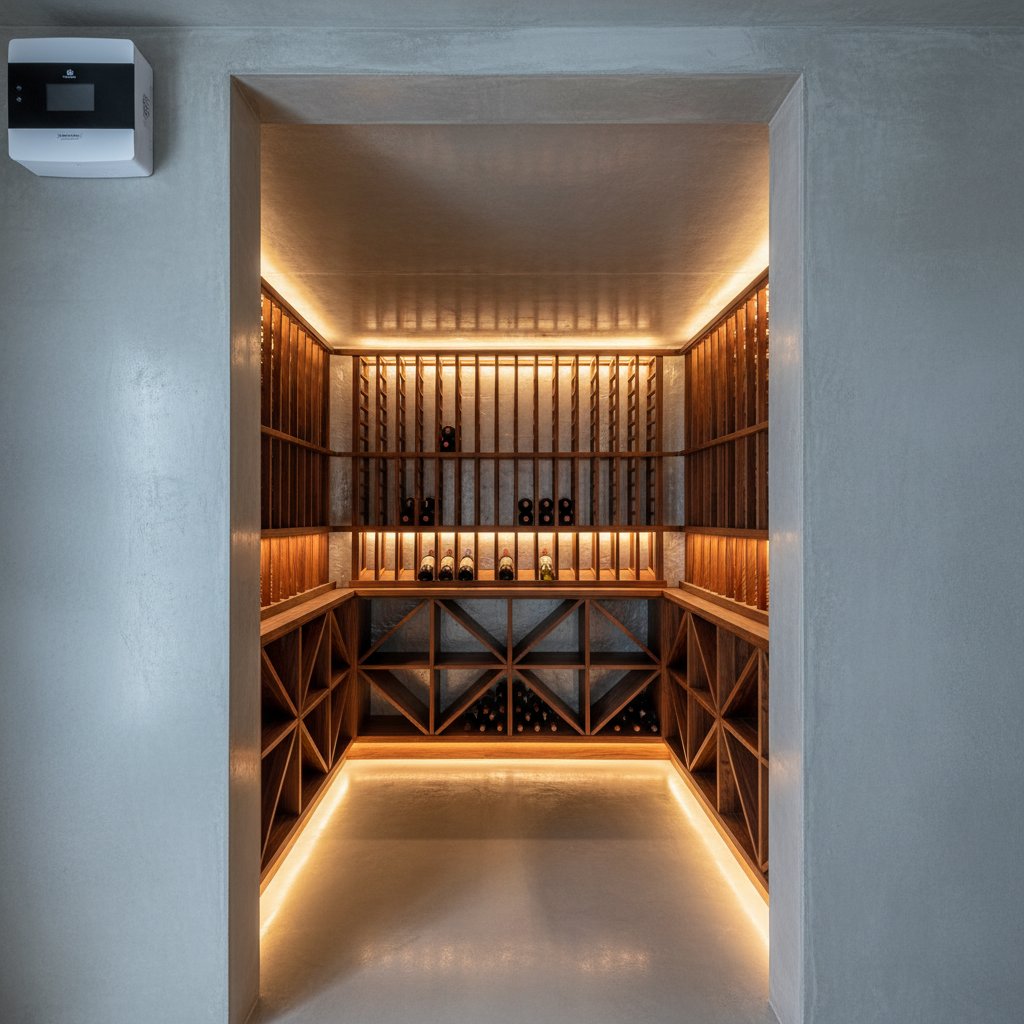
Climate-controlled wine cellar waterproofing for upscale restaurant. Installed vapor barrier system with epoxy coating to prevent humidity intrusion. Combined with dehumidification system to maintain stable conditions. Project completed within 14 days without business interruption.

View Details →
Bukit Timah underground space
Residential

Bukit Timah Underground Extension

Waterproofing solution for newly constructed underground entertainment room. Applied external tanking system during construction phase with bentonite clay panels. Added sump pump system for emergency water removal. Space remains dry despite high water table in area.

View Details →
Jurong warehouse basement
Industrial

Jurong Warehouse Basement

Large-scale waterproofing for 450-square-meter warehouse basement storing electronics. Used polyurethane injection to seal existing cracks, followed by cementitious waterproofing coating on walls and floor. Installed perimeter drainage system to redirect groundwater away from foundation.

View Details →
Tanjong Pagar office basement
Commercial

Tanjong Pagar Office Archive

Document storage area waterproofing for law firm. Applied liquid-applied membrane system for seamless protection. Treated concrete surfaces with penetrating sealers to block moisture transmission. Added cavity drain membrane system as secondary defense layer against water ingress.

View Details →
Sentosa Cove luxury basement
Residential

Sentosa Cove Luxury Home

Premium waterproofing for multi-level basement including gym and home theater. Installed comprehensive system combining external membrane, internal coating, and advanced drainage. Used imported polymer-modified cement for superior adhesion. Five-year warranty provided with regular maintenance checks.

View Details →

Get in Touch

Need professional advice on basement waterproofing in Singapore? Our specialists are ready to help you choose the right solution for your property.

Send Us a Message

Contact Details

Address

15 Jalan Lim Tai See
Singapore 468494

Business Hours

  • Monday - Friday: 9:00 - 18:00
  • Saturday: 10:00 - 14:00
  • Sunday: Closed
Limited Time Only

Monsoon Season Protection Package

Protect your basement before the heavy rains arrive. Our comprehensive waterproofing package includes professional assessment, premium materials application, and extended warranty coverage. We use advanced polymer-modified cementitious coatings and crystalline waterproofing systems specifically designed for Singapore's humid tropical environment. Take advantage of this seasonal offer to secure your property against water damage, mold growth, and structural deterioration.

Offer Valid Until:
7 April 2026
25% OFF Complete Service
  • Free moisture assessment using thermal imaging cameras and hygrometers to identify problem areas before treatment begins
  • Premium waterproofing materials including crystalline admixtures and epoxy-based coatings with 15-year manufacturer warranty
  • Complete surface preparation with crack repair, joint sealing, and substrate treatment for optimal adhesion
  • Extended 5-year workmanship guarantee covering all labor and application methods with annual inspection included
  • Complimentary dehumidifier installation (worth SGD 450) to maintain optimal humidity levels after waterproofing completion

Trust & Compliance

Certified standards for basement waterproofing in Singapore

Licensed Business

Registered contractor

Data Protection

PDPA compliant

SSL Secured

Encrypted connection

Quality Guaranteed

Workmanship warranty

Industry Standards

BCA approved methods

Professional Team

Trained specialists

Disclaimer

The information provided on this website regarding waterproofing basements and cellars in tropical climates is offered as is, based on our knowledge and experience in the field. While we strive to ensure accuracy, the content may be updated or modified without prior notice. This information should not replace professional consultation, and we recommend verifying all details with qualified waterproofing specialists before making decisions. Handymanagespot limits liability for the accuracy, completeness, or timeliness of information presented, as conditions and requirements vary by location and structure.