Why most Waterproofing basements and cellars in tropical climates: Best materials and methods projects fail (and how yours won't)
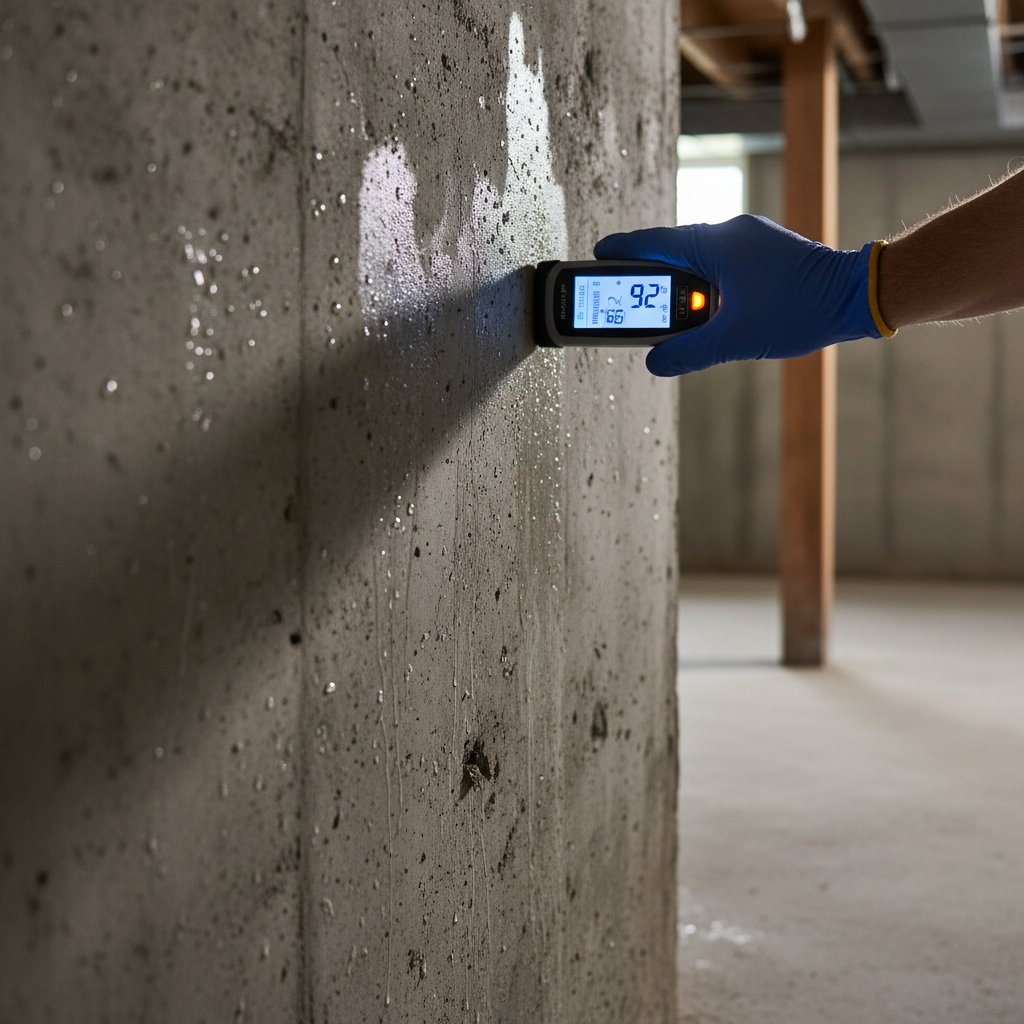
Your Basement Shouldn't Feel Like a Submarine
Picture this: You've just spent $8,000 waterproofing your basement in Manila, Jakarta, or San Juan. Three months later, you're staring at water trickling down the walls during monsoon season. Again.
This isn't bad luck. It's the predictable outcome of applying temperate-climate solutions to tropical problems.
Here's the uncomfortable truth: roughly 65% of basement waterproofing projects in tropical regions fail within the first two years. The money's gone. The problem's back. And you're angrier than before.
Why Tropical Basements Laugh at Standard Waterproofing
Most contractors treat moisture like it's the same everywhere. It's not.
Tropical climates throw a triple threat at underground spaces: sustained humidity above 80%, temperature swings that create constant condensation, and rainfall that can dump 400mm in a single day. Your basement isn't just fighting occasional water intrusion—it's under siege 24/7.
The Four Fatal Mistakes
The standard approach fails because it ignores how water behaves near the equator:
- Using polymer-based membranes designed for cold climates: These break down 3x faster in tropical heat, typically showing cracks within 18 months instead of the promised 10+ years.
- Skipping vapor barriers: Contractors focus on liquid water while ignoring the humidity that penetrates concrete like it's barely there.
- Installing inadequate drainage: A single French drain can't handle the water volume from tropical downpours. You need capacity for at least 50 liters per minute.
- Applying interior-only solutions: Painting waterproof coating on inside walls is like putting a bandaid on a broken arm. The water's still there, just trapped in your concrete, slowly destroying it.
The Warning Signs Nobody Tells You About
Before total failure hits, your basement whispers warnings:
White chalky deposits (efflorescence) appearing within 6 months? Your waterproofing is already compromised. That musty smell that "isn't too bad"? Mold colonies are establishing beachheads in your walls. Paint bubbling near the floor? Water's wicking up through the concrete despite your "waterproof" coating.
The most deceptive sign: everything looks fine during dry season. Then the rains come, and suddenly you're shopping for dehumidifiers that can't possibly keep up.
How to Actually Win This Fight
Step 1: Start Outside (Yes, Really)
Exterior waterproofing costs 40% more upfront but lasts 4x longer in tropical conditions. You need a crystalline waterproofing compound, not standard tar or polymer membranes. These compounds actually penetrate 12-18 inches into concrete and react with moisture to form crystals that block water pathways.
Real numbers: expect to pay $45-65 per square meter for proper exterior treatment versus $20-30 for interior coating that'll fail.
Step 2: Build a Proper Drainage System
Your drainage needs to handle worst-case scenarios, not average rainfall. Install perforated pipes every 3 meters around the foundation perimeter, sloped at minimum 1% grade. Connect to a sump pump system with battery backup—power outages during tropical storms are when you need it most.
Size your sump pump for 75 liters per minute minimum. Anything less will lose the battle during heavy rain.
Step 3: Address Vapor Transmission
Install a proper vapor barrier rated for tropical conditions—look for permeance ratings below 0.02 perms. Standard 6-mil polyethylene doesn't cut it; you need reinforced barriers specifically designed for high-humidity environments.
Apply vapor-permeable coatings on interior walls only after exterior waterproofing is complete. This lets walls breathe outward while blocking inward moisture movement.
Step 4: Control Interior Climate
Mechanical dehumidification isn't optional. Install a system that maintains 50-60% relative humidity year-round. Calculate 1 liter of extraction capacity per 20 cubic meters of space, then add 30% for tropical conditions.
Keeping Your Basement Dry Forever
Quarterly inspections catch problems early. Check exterior grading annually—tropical rain erodes soil fast, and water should always flow away from your foundation at 5% minimum slope for at least 3 meters.
Clean gutters monthly during rainy season. A single clogged downspout dumps thousands of liters directly against your foundation.
Test your sump pump every two months. Pour 20 liters of water into the pit and verify it activates and drains within 60 seconds.
The difference between success and another expensive failure? Understanding that tropical basements need tropical solutions. Your climate is trying to fill your basement with water every single day. Either you engineer for that reality, or you keep writing checks to contractors who promise this time will be different.
It won't be. Unless you do it right from the start.