Waterproofing basements and cellars in tropical climates: Best materials and methods in 2024: what's changed and what works
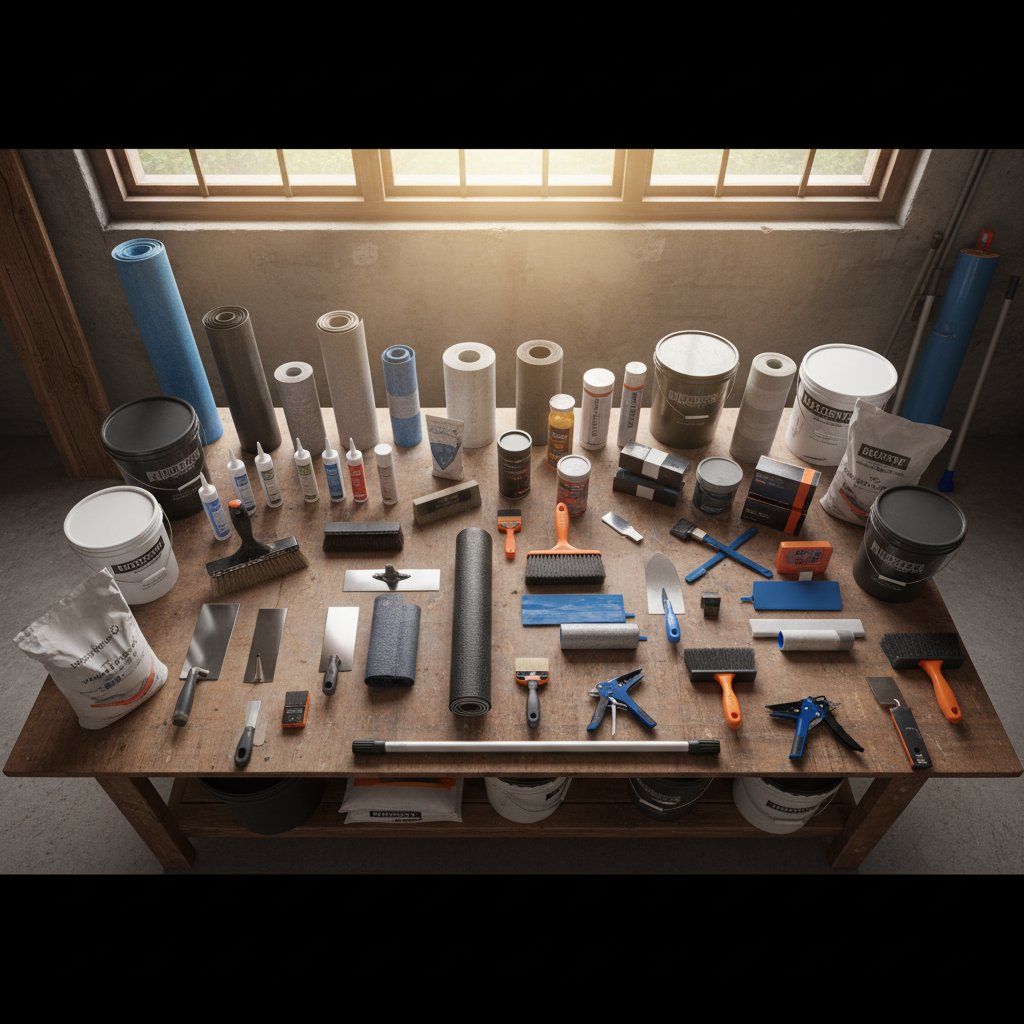
Tropical climates are brutal on below-ground spaces. The combination of intense rainfall, high humidity, and fluctuating water tables creates the perfect storm for basement moisture problems. I've watched too many property owners learn this lesson the hard way, discovering mold colonies that look like science experiments gone wrong.
The good news? 2024 has brought some genuinely useful innovations to the waterproofing game. Here's what actually works when you're fighting Mother Nature at her most persistent.
What's Actually Working in 2024
1. Crystalline Waterproofing Systems Have Finally Matured
These aren't your grandfather's concrete sealers. Modern crystalline products like Xypex and Penetron now self-heal cracks up to 0.4mm—which matters when you're dealing with thermal expansion in 35°C heat followed by torrential downpours. The crystals grow inside the concrete matrix, blocking water pathways at a molecular level.
I've seen installations in Singapore and Manila that are holding strong after five years of monsoon seasons. The application cost runs about $15-25 per square meter, roughly double what you'd pay for traditional membrane systems. But here's the kicker: you're applying it once, not replacing deteriorated membranes every 7-10 years.
The catch? Your concrete needs to be relatively new (less than 6 months old works best) or thoroughly prepared. Surface prep alone can add 30% to your project timeline, but skip it and you're basically throwing money into a humid hole in the ground.
2. Drainage Composites Are Replacing Old-School Aggregate Systems
Forget those gravel-filled drainage layers. Geocomposite drainage sheets—basically dimpled plastic membranes with filter fabric—move water 20 times faster than traditional aggregate systems while taking up one-tenth the space. In tropical climates where you're dealing with sudden 100mm+ rainfall events, that flow capacity matters.
Delta MS and similar products create an air gap against your foundation wall while channeling water down to your drainage system. Installation is faster too. A crew can cover 100 square meters in a day versus three days for traditional drainage aggregate. You're looking at material costs around $8-12 per square meter.
The real advantage shows up during the rainy season. Traditional aggregate systems can clog with tropical soil fines within 2-3 years. These composites? Still flowing strong after a decade.
3. Vapor Barriers Need to Be Smarter, Not Just Thicker
Humidity in tropical basements isn't just about liquid water. You're fighting vapor pressure that can push 15-20 liters of moisture through concrete walls every month. Standard polyethylene sheeting just traps it, creating a petri dish between your barrier and the wall.
Smart vapor retarders like Stego Wrap or VaproShield adapt their permeability based on humidity levels. When it's dry, they let trapped moisture escape. During wet periods, they tighten up. This variable permeability prevents the moisture sandwich effect that ruins so many tropical basement projects.
Cost difference is minimal—maybe $2-3 more per square meter than basic poly—but you'll actually be able to finish your basement interior without watching mold bloom behind your drywall six months later.
4. Integral Waterproofing Admixtures Are Your First Line of Defense
Why waterproof the outside of your concrete when you can make the concrete itself water-resistant? Products like Kryton KIM or Xypex Admix get mixed directly into your concrete during the pour. They reduce permeability by up to 90% compared to untreated concrete.
This approach works exceptionally well in tropical climates because you're not relying on surface coatings that degrade under constant UV exposure and humidity. The protection is throughout the entire concrete matrix. You're adding about $25-40 per cubic meter to your concrete costs, which sounds steep until you price out exterior membrane systems.
The limitation? You need to specify this during construction. Retrofitting isn't an option, which is why this matters most for new builds or major renovations.
5. Sump Pump Systems Need Tropical-Specific Upgrades
Standard sump pumps fail in tropical climates. The constant cycling during rainy season burns out motors, and power outages during storms leave you literally underwater. Modern systems need battery backup that kicks in within 3 seconds and can handle 12+ hours of runtime.
Look for pumps rated for continuous duty cycles, not the intermittent-use models sold at big box stores. Zoeller M98 or similar commercial-grade pumps cost $400-600 versus $150 for residential units, but they'll survive the punishment. Add a battery backup system ($800-1200) and you've got real protection.
p>Pro move: Install a water-level alarm that texts you when things go sideways. Because discovering your flooded basement after a weekend away is nobody's idea of fun.The Reality Check
Waterproofing a basement in the tropics isn't cheap. A comprehensive system for a 100-square-meter space runs $8,000-15,000 depending on your specific challenges. But compare that to dealing with chronic moisture problems, structural damage, and health issues from mold exposure.
The materials have genuinely improved. The methods work when properly applied. The key is understanding that tropical climates demand more robust solutions than temperate zones. Cut corners and you'll pay for it in the most humid, moldy way possible.