The real cost of Waterproofing basements and cellars in tropical climates: Best materials and methods: hidden expenses revealed
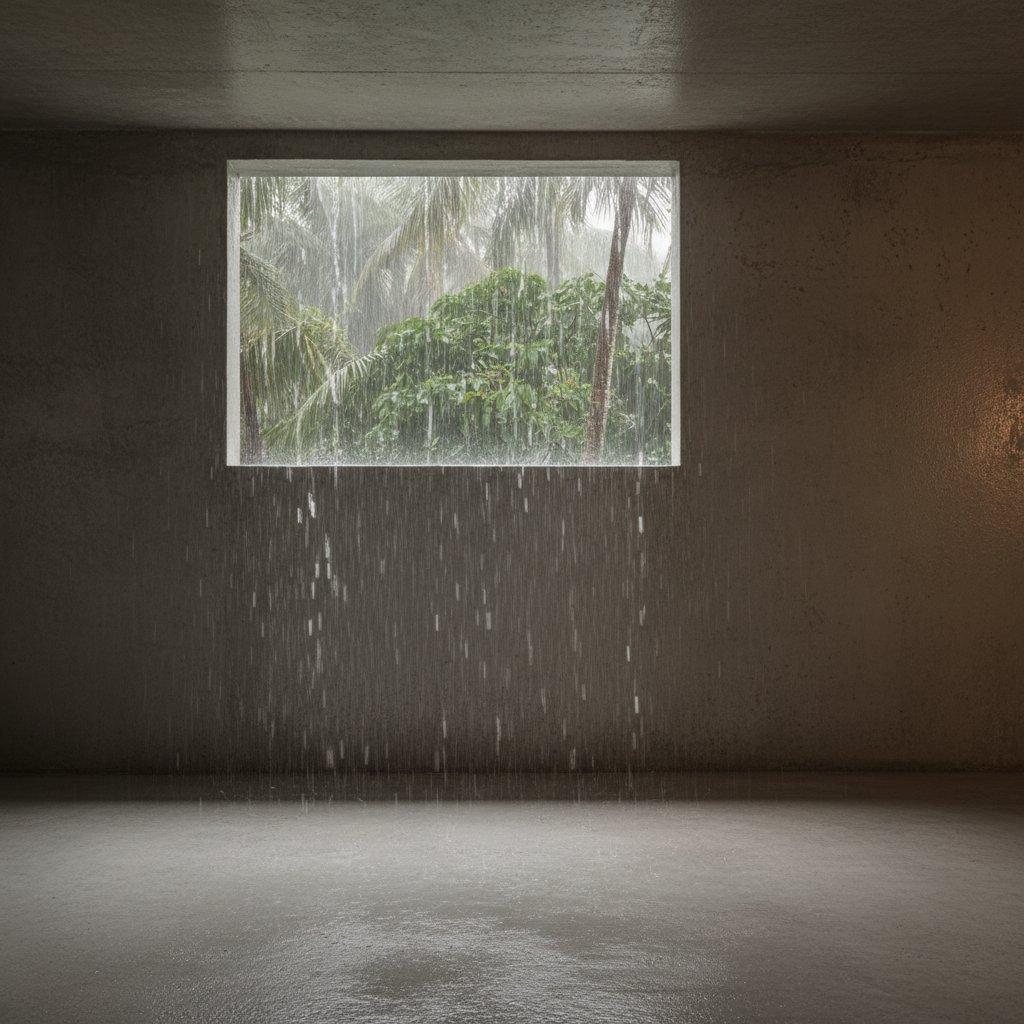
The $15,000 Surprise Nobody Warned Me About
My friend Marcus bought his dream property in Kuala Lumpur last year—a gorgeous colonial-style home with a basement he planned to convert into a wine cellar and entertainment space. Six months and $32,000 later, he was still fighting moisture problems. The original contractor's estimate? Just $17,000. Welcome to the brutal reality of basement moisture control in tropical climates, where what you don't know can drain your wallet faster than a monsoon flood.
Here's the thing nobody tells you upfront: tropical basement waterproofing isn't just about slapping on some sealant and calling it a day. The constant humidity, intense rainfall (we're talking 200+ inches annually in some regions), and high water tables create a perfect storm of challenges that demand serious engineering—and serious money.
Why Everything Costs More When It's Always Wet
Tropical climates throw curveballs that temperate-zone contractors never deal with. The ground stays saturated year-round, hydrostatic pressure never lets up, and fungal growth happens at warp speed. A study from the Southeast Asian Building Research Institute found that moisture-related failures occur 3.7 times more frequently in tropical basements compared to those in moderate climates.
That baseline matters because it fundamentally changes your approach. You're not waterproofing for occasional rain—you're building a submarine that people can live in.
The Real Material Costs (And Why Cheap Options Backfire)
Let's talk numbers. A typical 1,000 square foot basement in Singapore or Manila will run you:
- Crystalline waterproofing membranes: $8-12 per square foot (material only)
- Bentonite clay systems: $6-9 per square foot
- Liquid-applied membranes: $4-7 per square foot
- Drainage systems with sump pumps: $3,500-8,000 for the full setup
- Dehumidification systems: $2,000-5,000 (and that's non-negotiable in the tropics)
But here's where contractors lose people: these are just the visible costs.
The Hidden Expenses That Kill Budgets
Marcus learned this the hard way. His "comprehensive" quote didn't include:
Soil remediation: $4,200. The existing soil had such poor drainage that water pooled against the foundation walls. They had to excavate and replace it with engineered fill.
Vapor barrier upgrades: $2,800. Standard 6-mil plastic sheeting disintegrates in tropical conditions within 18-24 months. He needed 15-mil reinforced barriers with proper overlapping and sealing.
Mold remediation before waterproofing: $3,600. You can't seal moisture into walls that already have growth. The space needed complete treatment first.
Electrical work for pumps and dehumidifiers: $1,900. Multiple dedicated circuits with GFCI protection aren't optional when you're dealing with water and electricity.
Ongoing maintenance contracts: $600 annually. Sump pumps in tropical climates work overtime and need quarterly inspections.
Methods That Actually Work (According to People Who've Survived the Monsoon)
After interviewing contractors across Thailand, Malaysia, and the Philippines, a clear hierarchy emerged.
The Gold Standard: Tanking Systems
Full cavity drain membrane systems—where you create an actual gap between the wall and a protective membrane—dominate high-end tropical installations. They cost 40-60% more than surface treatments, but they work. Water hits the membrane, drains down to a collection system, and gets pumped out. Simple physics, bulletproof results.
"We stopped offering anything else for below-grade spaces in Jakarta," says Chen Wei, a structural engineer with 23 years in Southeast Asian construction. "The failure rate on cheaper systems was destroying our reputation. Tanking costs more upfront, but we've had zero callbacks in five years."
The Compromise: Crystalline + External Drainage
For tighter budgets, crystalline waterproofing compounds mixed into concrete, combined with robust French drain systems, can work. The crystals actually grow inside concrete pores when they contact water, creating a self-healing barrier. Add proper exterior drainage to reduce hydrostatic pressure, and you've got a fighting chance.
Cost difference? About 30% less than full tanking, but with a caveat: you need perfect installation. One gap in coverage and water finds it.
What Nobody Mentions: The Climate Control Tax
Even perfectly waterproofed tropical basements need active climate control. Ambient humidity runs 75-90% year-round. Without dehumidification, you're just creating a terrarium for mold.
Budget $150-300 monthly for electricity to run commercial-grade dehumidifiers continuously. Yes, continuously. Marcus tried running his on a timer to save money. Two weeks later, he had fuzzy walls.
Key Takeaways
- Budget 25-40% above initial quotes for hidden costs like soil work, mold treatment, and electrical upgrades
- Cavity drain membrane systems cost more but offer the only reliable long-term solution in high-rainfall areas
- Factor in $2,000-3,000 annually for climate control and maintenance—it's not optional
- Cheaper surface treatments fail 3-4 times more often in tropical conditions, making them more expensive long-term
- Get soil permeability testing before starting ($400-600)—it reveals problems before you've spent serious money
The Bottom Line Nobody Wants to Hear
A properly waterproofed basement in tropical climates costs $45-75 per square foot when you include everything—materials, labor, drainage, climate control, and electrical work. That's roughly double what you'd pay in Sydney or London for similar work.
Marcus eventually got his wine cellar and entertainment space. Total cost: $38,500 for 800 square feet. Was it worth it? He thinks so now. But he wishes someone had shown him the real numbers before he signed that first contract.
The tropics are beautiful, but they're brutal on anything underground. Budget accordingly, or budget twice.